
Why it is protected, & how visitors can help
iSimangaliso Wetland Park · UNESCO World Heritage Site since 1999
iSimangaliso’s wetlands, dunes, forests, reefs and nesting beaches are protected because they are globally significant, and that protection is exactly what makes a stay here possible.
Why iSimangaliso matters
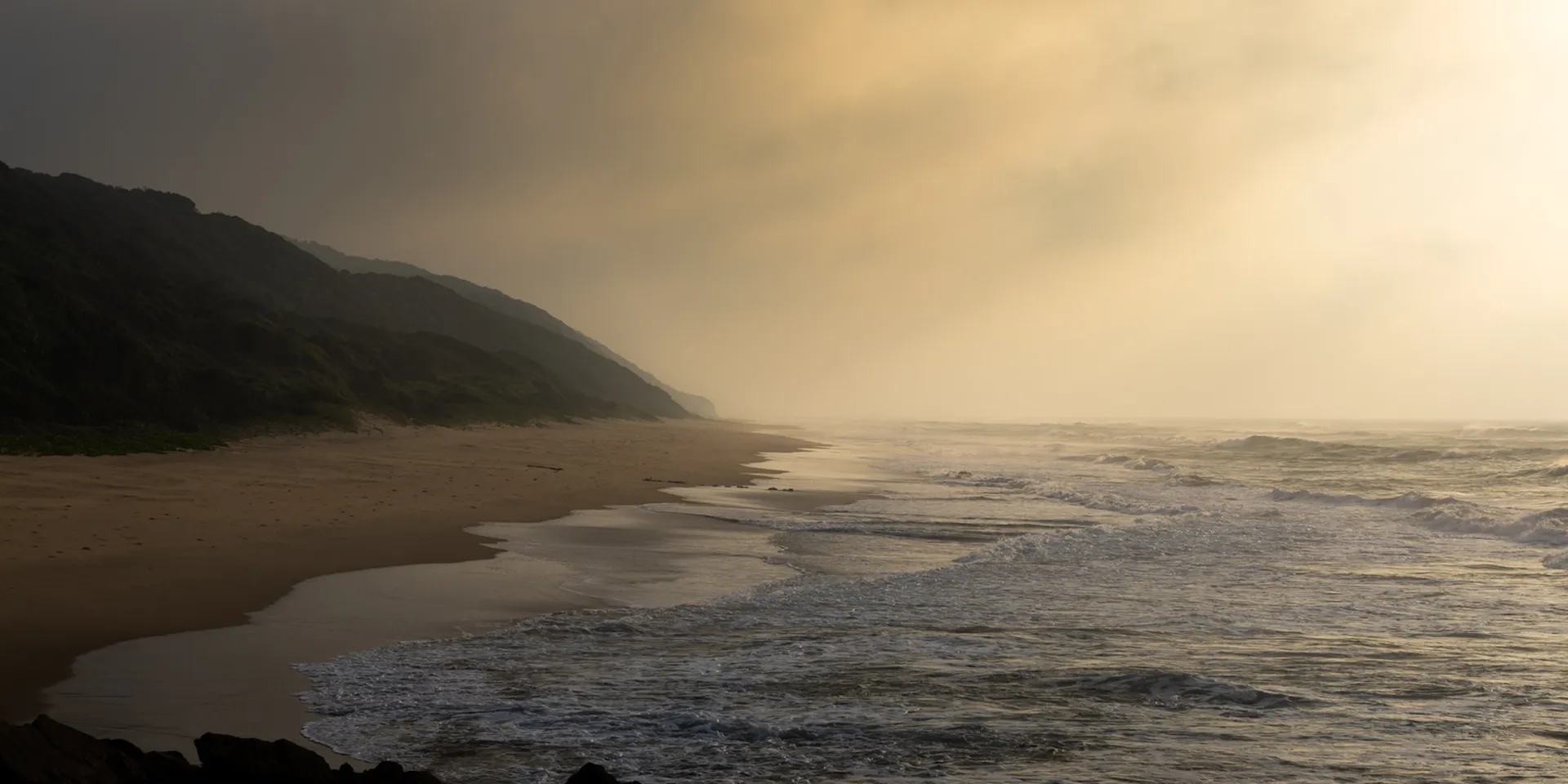
iSimangaliso’s name is a Zulu word meaning miracle and wonder. It protects linked lake and estuary systems, swamp forests, coastal dunes among the highest in the world, and hundreds of bird species. Cape Vidal, on the Eastern Shores, is one window into it: reef and turtle beach on one side, lake and grassland on the other.
A protected & inhabited landscape
The park’s protection was hard won. Through the 20th century the area faced commercial plantations, the disruption of the estuary and, in the late 1980s, a proposal to mine the coastal dunes.
A broad public campaign and a formal environmental impact assessment ended with mining refused, the plantations phased out and the wetlands allowed to recover. Communities removed under apartheid had their land claims recognised, and the separate reserves were consolidated into one park, confirmed by the 1999 listing.
iSimangaliso is a living landscape, not an empty one. Neighbouring communities are part of its present as well as its past, through employment, tourism, stewardship and local knowledge, and the park is managed to share its benefits with the people who live alongside it.
How it is looked after today
iSimangaliso is run by a dedicated management authority, working with Ezemvelo KZN Wildlife: controlled access through the gates, permits and speed limits, a marine protected area guarding the reefs and fish, plantation removal that has restored whole wetlands, and one of the longest-running turtle monitoring programmes anywhere.
How visitors help
The rules at Cape Vidal are few, and they make the difference between a place that lasts and one that is loved to death. Please respect the visitor code:
- Give nesting turtles room. Watch only with a licensed guide, no torches, no flash, no touching. Each turtle has come a very long way to be here
- Snorkel gently. Follow current park guidance on sunscreen, keep fins and hands off the coral, and take home nothing but photographs
- Keep wildlife wild. Pack food away; a fed monkey is tomorrow’s problem, and the bushbuck are perfect as they are
- Leave no trace. Carry out everything you carry in, keep to the tracks, and be back inside the gate before it closes